
Some subjects are easier not to talk about. But what happens when we experience them instead?
Alzheimer's is one of them, but if there's no cure, what can we do?
Before you sat down
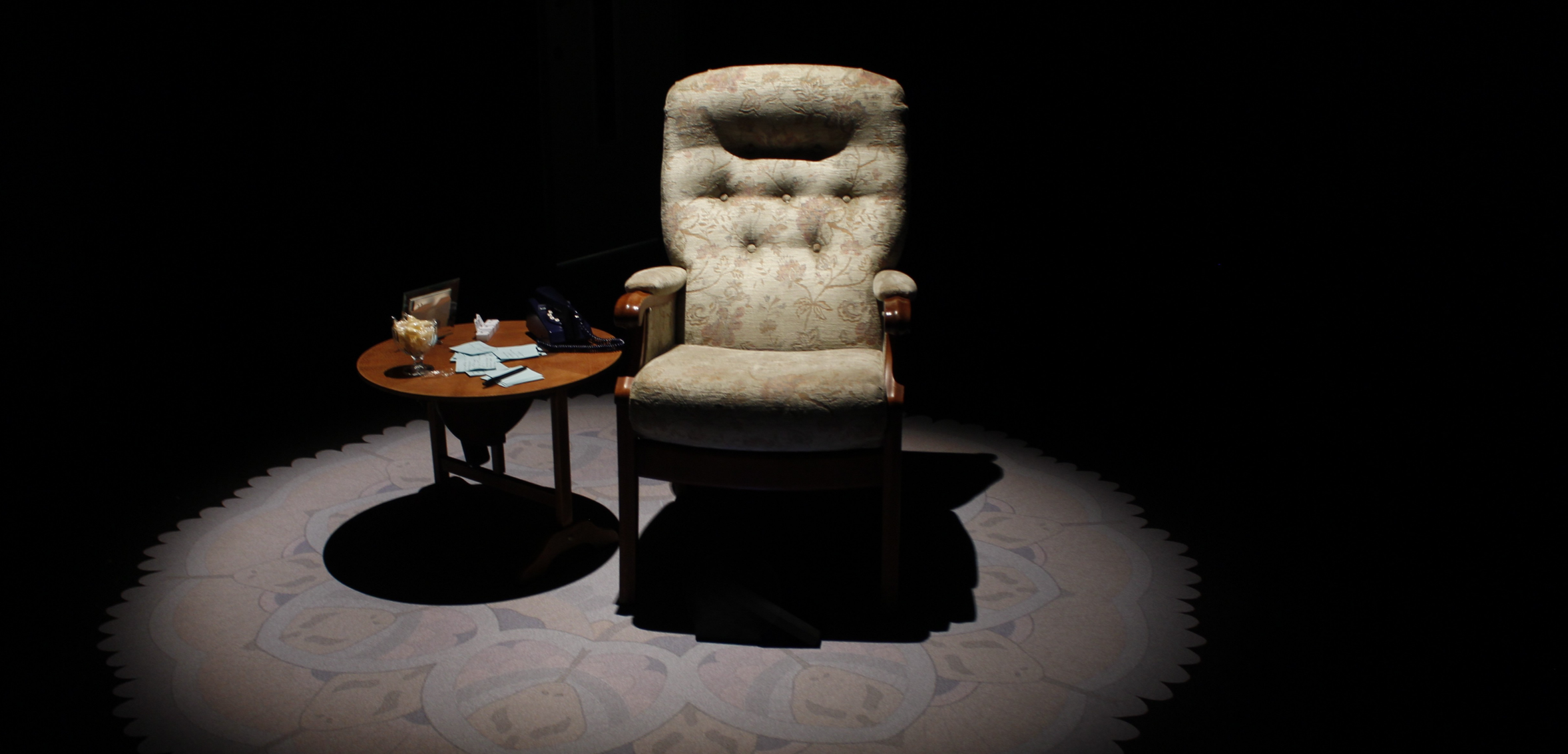
The darkened room removed the usual spatial cues. A single pool of light illuminated an armchair and side table, while a projected clock quietly changed time on the wall. Beneath the chair, what first appeared to be a decorative rug contained something less comfortable within its pattern.
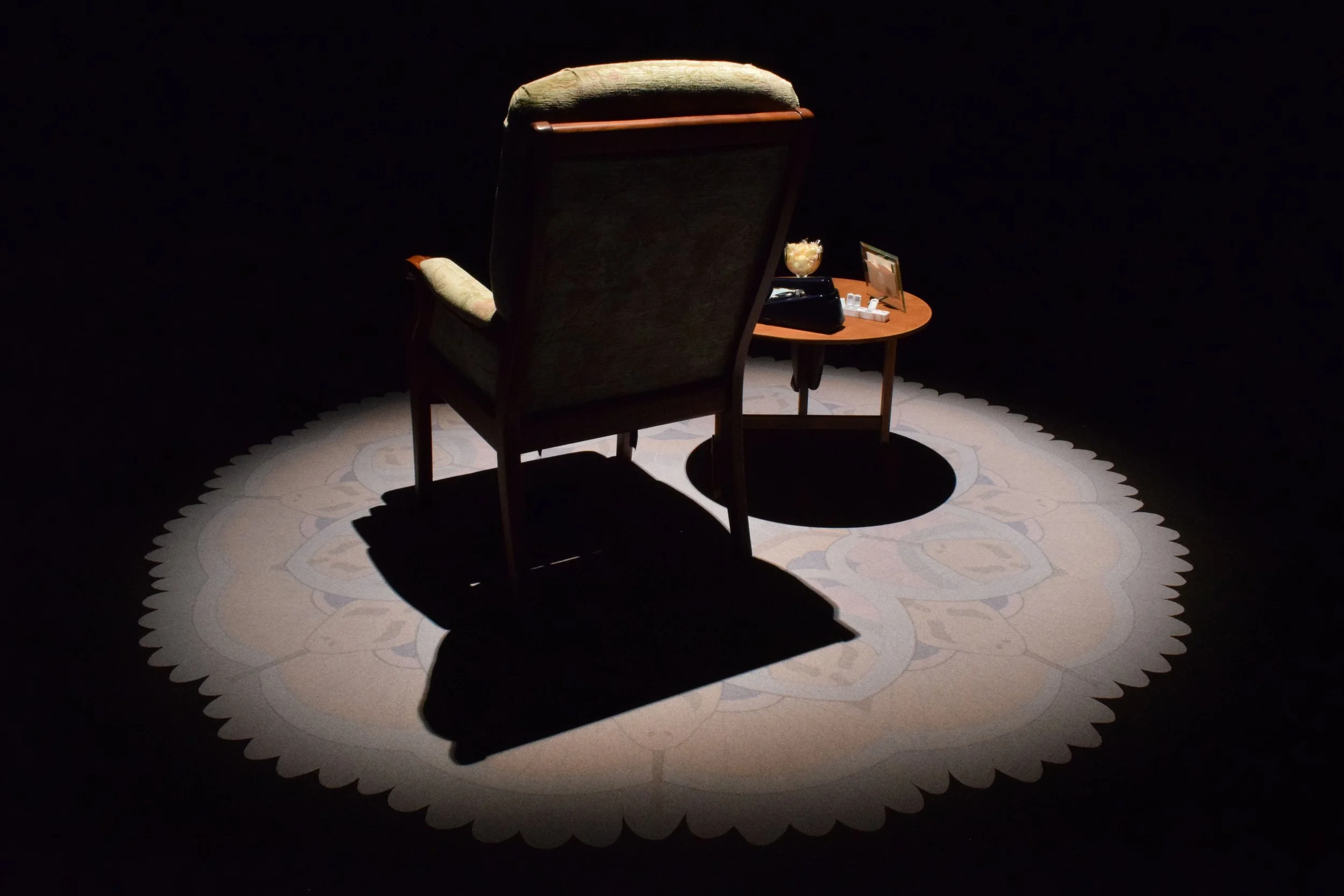

Once you sat down, the room changed.
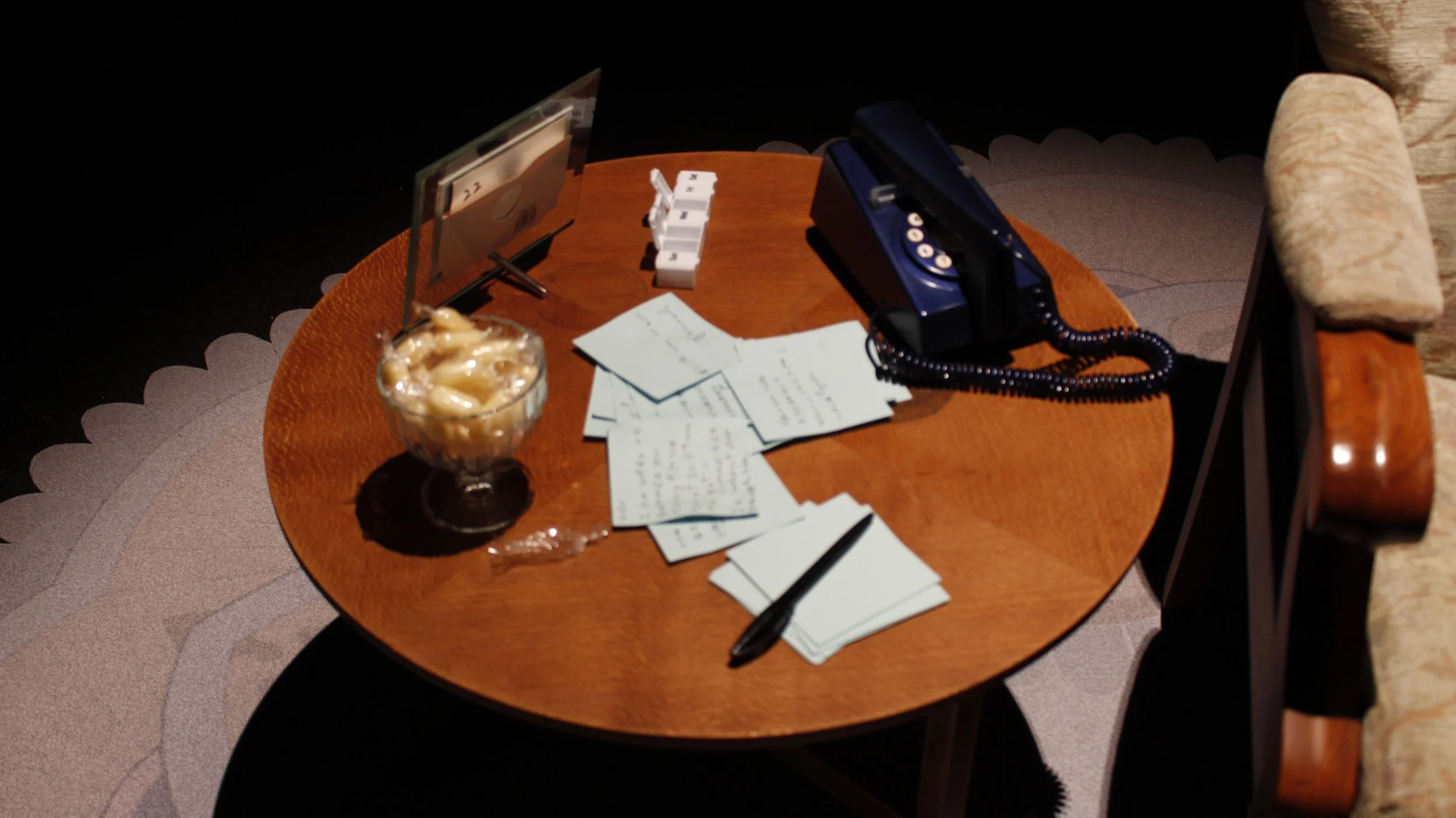

The phone rings.
Time keeps changing.
The scent of rose and rosemary.
Mario Lanza, somewhere in the darkness.
The experience didn't produce a single point of view.
Some imagined themselves sitting in the chair as the person experiencing Alzheimer's. Others immediately thought about someone they loved, or about the people caring for them.
Both readings were valid.
What began as an attempt to make a difficult subject easier to talk about became something more interesting: an example of how an environment can create the conditions for empathy without dictating exactly what someone should feel.
The emotional response was stronger than anticipated. Many visitors left visibly affected by what they had experienced. In hindsight, that raises an important question in itself: if an experience is capable of creating a powerful emotional response, what responsibility does the designer have for what happens next?